The Enduring Legacy of Medieval Professional Organisation
In the narrow streets surrounding the City of London, ancient guild halls stand as monuments to professional organisation that endured for centuries. The Worshipful Company of Goldsmiths, established in 1327, continues operating today—a testament to membership models that created bonds transcending mere transactional relationships. Modern professional bodies, struggling with engagement rates that often plateau at 15-20% of eligible populations, would benefit from examining the psychological and commercial mechanisms that sustained guild membership across generations.
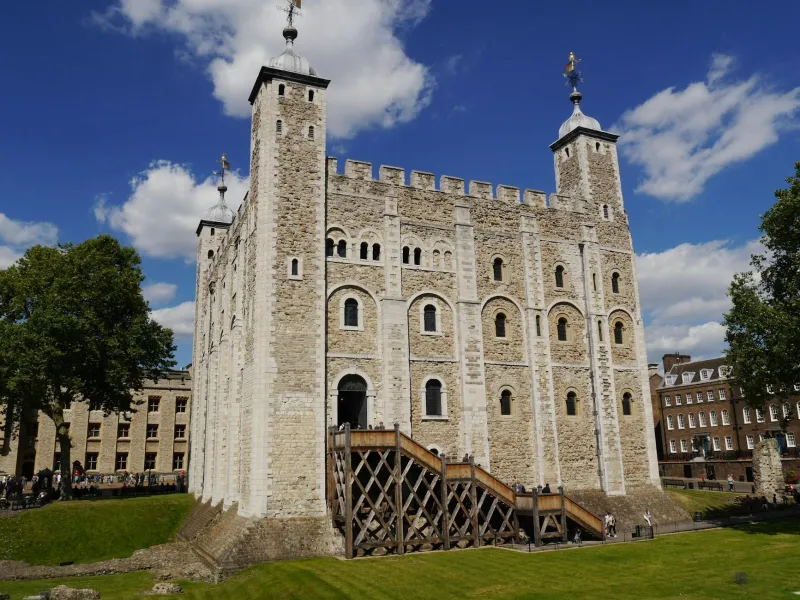
 Photo: City of London, via c8.alamy.com
Whilst contemporary professional organisations focus primarily on continuing professional development and networking events, medieval guilds operated as comprehensive life systems that integrated professional advancement, social standing, economic security, and community identity. This holistic approach created member loyalty that modern associations struggle to replicate in an era of competing demands and digital alternatives.
The Architecture of Medieval Member Engagement
Medieval guilds succeeded through three fundamental mechanisms that contemporary professional bodies have largely abandoned: mutual accountability, collective reputation management, and shared economic destiny. These elements created interdependence that made guild membership essential rather than optional for professional success.
Mutual accountability operated through formal apprenticeship systems and peer oversight that extended beyond technical competence to encompass ethical standards and community contribution. Guild members understood that individual behaviour reflected on collective reputation, creating powerful incentives for professional excellence and community engagement.
Collective reputation management meant that guild marks and certifications carried genuine market value, protected through vigorous quality control and exclusive membership criteria. This created positive feedback loops where guild reputation enhanced member prospects, whilst member success strengthened guild standing.
Shared economic destiny linked individual prosperity to collective welfare through mutual insurance schemes, collective bargaining arrangements, and coordinated responses to market challenges. Guild members succeeded or failed together, creating bonds that transcended individual competition.
Contemporary Membership Challenges
Modern professional bodies face structural challenges that medieval guilds never encountered. Globalisation allows professionals to operate across jurisdictional boundaries, reducing dependence on local professional communities. Digital technology enables knowledge sharing without formal membership requirements, whilst social media provides networking opportunities that bypass traditional professional associations.
Moreover, contemporary career patterns emphasise individual advancement over collective identity. Portfolio careers, frequent job changes, and entrepreneurial ventures create professional identities that resist traditional membership models designed for stable, long-term career paths within established sectors.
Membership retention data reveals the extent of contemporary challenges. Industry research indicates that 40% of professional body members fail to renew after their initial membership period, whilst active engagement rates among continuing members often fall below 25%. These statistics suggest fundamental disconnection between member expectations and organisational delivery.
Psychological Drivers of Historical Guild Loyalty
Behavioural research illuminates the psychological mechanisms underlying guild loyalty that modern professional bodies might adapt for contemporary contexts. Medieval guilds satisfied fundamental human needs for belonging, status, and security through integrated community structures that extended beyond professional activities.
Status recognition operated through formal hierarchies—apprentice, journeyman, master—that provided clear advancement pathways and public acknowledgment of professional development. These systems created aspirational frameworks that motivated continued engagement whilst rewarding member investment in guild activities.
Belonging emerged through regular social interaction, shared rituals, and collective identity markers that distinguished guild members from broader populations. Guild halls, ceremonial events, and distinctive dress codes created visible community membership that enhanced individual social standing.
Security manifested through mutual support systems that protected members against economic hardship, professional disputes, and personal crises. This comprehensive safety net made guild membership practically essential for professional survival, creating dependency that ensured loyalty.
Adapting Historical Models for Contemporary Practice
Contemporary professional bodies can adapt guild principles without replicating medieval structures. Digital technology enables new forms of mutual accountability through peer review platforms, collaborative quality standards, and transparent performance metrics that create collective responsibility for professional excellence.
Modern equivalents of collective reputation management might include group certification schemes, shared marketing initiatives, and coordinated advocacy efforts that enhance member visibility whilst strengthening organisational influence. Professional bodies could develop brand partnerships that provide exclusive member benefits whilst promoting collective professional identity.
Shared economic destiny can be recreated through group purchasing schemes, collective insurance arrangements, and coordinated business development initiatives that align individual success with organisational prosperity. These mechanisms create practical interdependence that justifies membership investment.
Digital-Era Community Building
Successful adaptation requires understanding how digital technology can enhance rather than replace human connection. Online platforms should facilitate meaningful professional relationships rather than merely distributing information or providing networking opportunities.
Virtual mentorship programmes can recreate apprenticeship relationships that medieval guilds used to transfer knowledge whilst building personal bonds between senior and junior members. These programmes provide structured interaction that develops both professional competence and organisational loyalty.
Digital collaboration platforms can enable project partnerships between members, creating shared experiences that build community whilst delivering practical business value. These initiatives transform membership from passive consumption to active participation in collective success.
Online recognition systems can provide status acknowledgment that satisfies individual advancement needs whilst promoting organisational values. Digital badges, peer endorsements, and achievement leaderboards create modern equivalents of medieval status hierarchies.
Implementation Strategies for Professional Bodies
Transforming membership models requires strategic commitment to long-term community building over short-term revenue generation. Professional bodies must invest in infrastructure and programming that creates genuine member interdependence rather than merely offering services that members could obtain elsewhere.
This transformation demands governance changes that give members meaningful influence over organisational direction whilst maintaining professional standards and strategic focus. Democratic participation creates ownership feelings that commercial service provision cannot replicate.
Success measurement must evolve beyond membership numbers and event attendance to encompass engagement depth, member-to-member interaction, and community contribution metrics. These indicators better reflect the community strength that sustained medieval guilds across centuries.
The Future of Professional Membership
Professional bodies that successfully adapt guild principles for contemporary contexts will create competitive advantages in member acquisition and retention. They will build communities that provide genuine professional value whilst satisfying fundamental human needs for belonging, recognition, and security.
This transformation requires abandoning transactional membership models in favour of community-based approaches that create mutual dependence and shared identity. The organisations that achieve this evolution will discover that medieval wisdom remains remarkably relevant for modern professional challenges.
The enduring success of London's ancient guilds demonstrates that professional communities can transcend individual careers and economic cycles when they satisfy deeper human needs whilst delivering practical value. Contemporary professional bodies possess unprecedented tools for creating such communities—they need only the wisdom to learn from their medieval predecessors whilst adapting for modern realities.