The Crumbling Pillars of Traditional Networking
The scene is depressingly familiar: a draughty hotel conference room in Birmingham, lukewarm coffee in branded mugs, and the same faces exchanging business cards they'll never reference again. This is the reality of traditional professional networking in Britain—a model so antiquated it seems designed to repel the very professionals it claims to serve.
Yet across the country, professional membership bodies continue to rely on these tired formats, seemingly oblivious to the digital revolution transforming how modern professionals connect, collaborate, and conduct business. The result? A growing disconnect between what professional councils offer and what their members actually need.
Digital Natives Demand Digital Solutions
Consider the stark reality: while professional bodies organise monthly breakfast meetings attended by the same dozen regulars, LinkedIn boasts over 30 million UK users actively building professional networks. Meanwhile, platforms like Luma, Eventbrite, and industry-specific applications are facilitating thousands of professional connections daily through intelligent matching, virtual events, and purpose-built networking tools.
The generational divide is particularly pronounced. Millennial and Gen Z professionals, who comprise an increasing proportion of the UK workforce, expect networking to be efficient, targeted, and technology-enabled. They're not interested in spending two hours in traffic to attend a generic networking event that might—if they're fortunate—yield one meaningful connection.
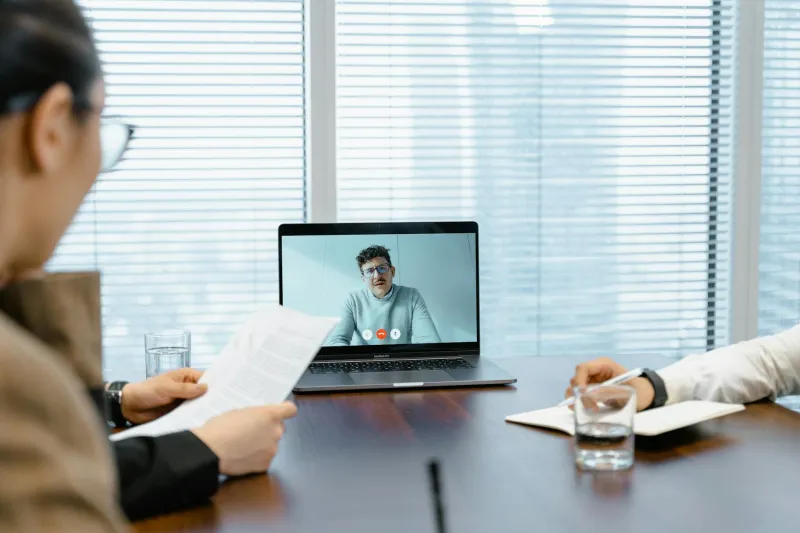
"I can achieve more networking value in a 30-minute video call with someone I've connected with through LinkedIn than in an entire evening at a traditional chamber event," explains Tom Richardson, a 32-year-old consultant from Leeds. "The old model feels like amateur dramatics compared to what's possible with modern technology."
The Platform Economy's Networking Advantage
The rise of professional platforms hasn't merely supplemented traditional networking—it's fundamentally superior in almost every measurable way. Consider the advantages:
Precision targeting: Rather than hoping to meet relevant contacts at generic events, professionals can identify and connect with specific individuals based on detailed criteria including industry, role, location, and mutual connections.
Asynchronous engagement: Busy professionals can engage when convenient, rather than being constrained by arbitrary event schedules.
Scalable relationships: Digital platforms enable professionals to maintain hundreds of meaningful connections, far exceeding what's possible through traditional face-to-face networking alone.
Data-driven insights: Modern platforms provide analytics on connection quality, engagement rates, and relationship development—metrics that traditional networking events cannot match.
The Innovation Imperative
Some forward-thinking professional bodies are beginning to recognise this reality and adapt accordingly. The Institute of Engineering and Technology, for example, has launched virtual reality networking sessions where members can interact in digital environments designed to facilitate meaningful connections. The Chartered Institute of Marketing has introduced AI-powered member matching, connecting professionals with complementary skills and interests.
These innovations represent more than technological upgrades—they signal a fundamental reimagining of what professional networking can achieve. Rather than passive attendance at generic events, members engage in purposeful, outcome-focused interactions designed to advance specific business or career objectives.
Hybrid Models: The Future of Professional Connection
The most successful professional organisations are developing hybrid approaches that combine digital efficiency with human connection. The Royal Institution of Chartered Surveyors, for instance, now uses digital platforms to facilitate pre-event networking, enabling members to identify and schedule meetings with specific contacts before attending physical events.
This approach maximises the value of both digital and physical touchpoints. Members arrive at events with clear objectives and pre-arranged meetings, whilst organisers can design programmes around demonstrated member interests rather than generic assumptions.
AI-Powered Networking: Beyond Human Limitations
The next frontier involves artificial intelligence platforms that analyse professional profiles, career trajectories, and business objectives to suggest optimal connections. These systems can identify non-obvious networking opportunities—perhaps connecting a Manchester-based sustainability consultant with a London fintech executive working on green finance solutions.
Such platforms don't merely facilitate introductions; they provide contextual information about why connections might be valuable, suggested conversation topics, and follow-up recommendations. This level of sophistication makes traditional networking events appear almost primitive by comparison.
The Regional Challenge
Traditional networking models were built around geographical proximity—local chambers, regional associations, and city-based professional groups. However, modern business operates across geographical boundaries, and the most valuable professional connections often span continents rather than postcodes.
Digital platforms naturally accommodate this reality, enabling UK professionals to connect with global networks whilst maintaining local relationships. Professional bodies that remain geographically constrained will find their relevance diminishing as members seek broader, more diverse professional networks.
Measuring Networking ROI
One of traditional networking's greatest weaknesses is its immeasurable nature. Members attend events without clear objectives and leave without quantifiable outcomes. Digital platforms, conversely, enable precise measurement of networking effectiveness through metrics including:
- Connection quality scores based on mutual engagement
- Business outcomes attributed to specific networking activities
- Time investment versus relationship development ratios
- Long-term career advancement linked to networking activities
This data-driven approach enables professionals to optimise their networking strategies and professional bodies to demonstrate tangible member value.
The Resistance Factor
Despite overwhelming evidence supporting digital networking's superiority, many professional bodies resist change, citing concerns about "losing the human element" or "maintaining tradition." This resistance reveals a fundamental misunderstanding of modern professional networking.
Digital platforms don't eliminate human interaction—they make it more efficient and purposeful. The goal isn't to replace face-to-face meetings but to ensure they're worth having. When professionals connect digitally first, subsequent in-person interactions are invariably more productive and meaningful.
A Call to Action for Professional Bodies
The choice facing UK professional membership organisations is stark: innovate or become irrelevant. The networking models that served previous generations are actively hindering current ones. Members increasingly view traditional networking events as obligation rather than opportunity—a perception that will only intensify as digital alternatives become more sophisticated.
Professional bodies must therefore fundamentally reimagine their networking offerings. This means investing in technology, training staff to understand digital networking dynamics, and designing member experiences around outcomes rather than activities.
The organisations that succeed will be those that embrace digital transformation whilst leveraging their unique advantages: established member bases, industry credibility, and deep sector knowledge. Those that resist change will find themselves managing decline rather than growth.
Conclusion: The Network Effect
The networking revolution isn't coming—it's here. UK professionals are already building more valuable, diverse, and productive professional networks through digital platforms than traditional membership bodies have ever facilitated. The question isn't whether professional councils should adapt, but whether they'll do so quickly enough to remain relevant.
The future belongs to organisations that understand networking as a strategic capability requiring continuous innovation, not a social activity requiring only good intentions. Professional bodies that grasp this reality will thrive in the digital age; those that don't will become historical curiosities, remembered fondly but visited rarely—much like the gentleman's clubs they once sought to emulate.