Global Reach from Local Roots: Transforming Accidental International Practice into Strategic Export Success

The Invisible Export Economy
Across Britain's professional services landscape, a curious phenomenon persists: consultants delivering international value whilst remaining fundamentally domestic in outlook. They advise multinational corporations, contribute to overseas projects, and influence foreign policy frameworks, yet lack the commercial infrastructure to capitalise systematically on their global reach.
This 'accidental exporter' syndrome represents one of the UK's most significant untapped commercial opportunities. Research suggests that over 40% of British consultants engage in some form of international work, yet fewer than 15% have developed deliberate global strategies. The gap between activity and strategy costs the sector millions in unrealised revenue whilst limiting Britain's influence in global professional services markets.
The Commonwealth Advantage
Britain's historical connections create unique pathways for professional services export that many practitioners overlook. Commonwealth relationships provide natural market entry points, shared legal frameworks, and established trust networks. Yet these advantages remain largely unexploited by independent consultants who lack systematic approaches to international market development.
The commercial potential proves substantial. Commonwealth economies represent over £2 trillion in combined GDP, with growing demand for sophisticated professional services. British consultants who leverage these connections effectively often secure premium pricing whilst benefiting from reduced market entry barriers. The challenge lies in transforming historical relationships into contemporary commercial opportunities.
European Market Dynamics
Despite Brexit complexities, European markets continue offering significant opportunities for British professional services. The key lies in positioning UK expertise as complementary rather than competitive to local capabilities. British consultants who understand regulatory frameworks, cultural nuances, and market dynamics can provide valuable perspectives for European organisations navigating global expansion or strategic transformation.
Successful European engagement requires sophisticated market understanding. Consultants must appreciate local business cultures, regulatory environments, and competitive landscapes. However, those who invest in this knowledge often secure long-term client relationships whilst building sustainable revenue streams from European markets.
Gulf State Opportunities
The Gulf region represents perhaps Britain's most promising professional services export opportunity. Economic diversification initiatives across the region create substantial demand for strategic consulting, whilst cultural and educational connections provide natural market access. British qualifications carry particular weight in Gulf markets, creating positioning advantages for UK consultants.
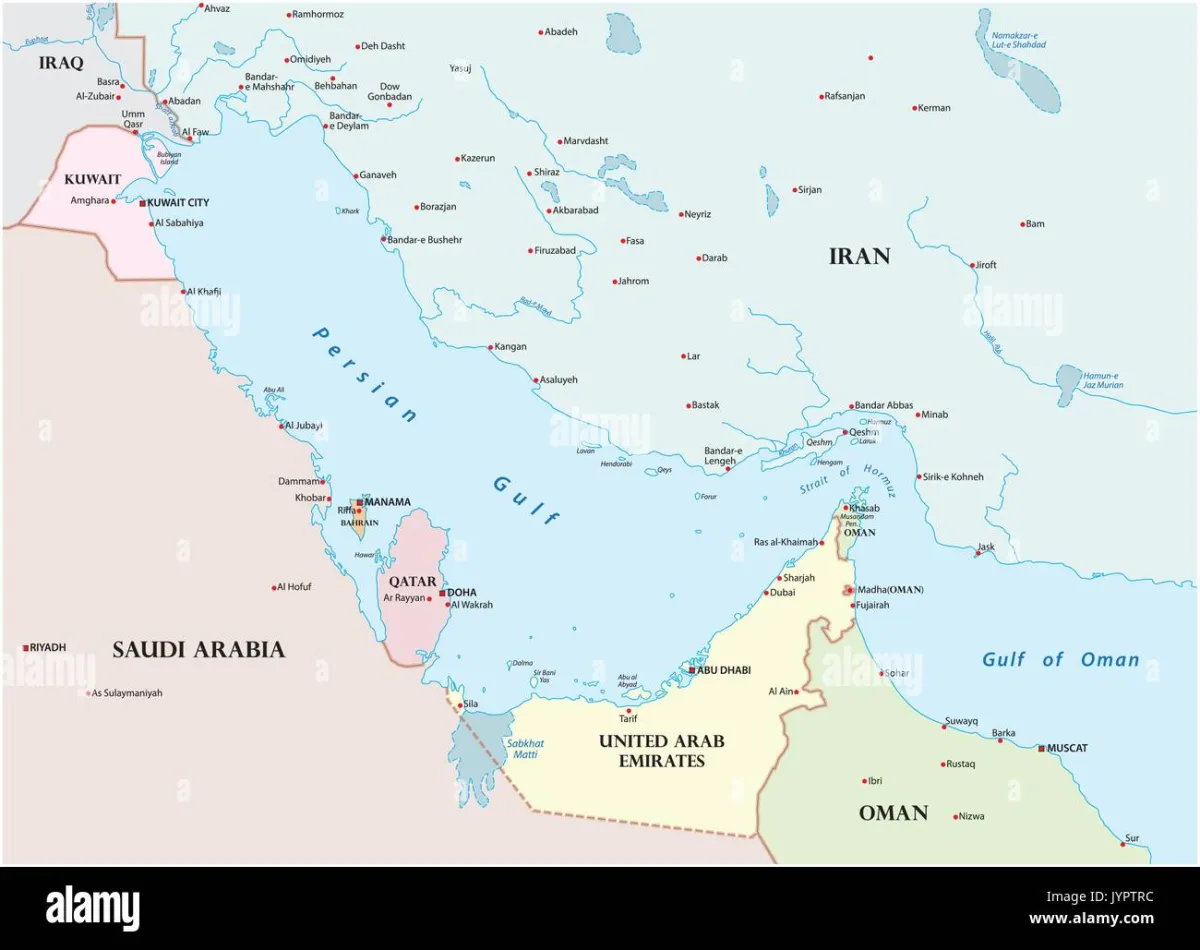 Photo: Gulf State, via c8.alamy.com
However, Gulf market success requires cultural sensitivity and long-term relationship building. Consultants who approach these markets transactionally often struggle, whilst those who invest in understanding local business practices and building authentic relationships can secure substantial opportunities. The region's preference for proven expertise over experimental approaches particularly suits established British consultants.
Professional Body Infrastructure
Membership organisations like the UK Council of Commerce & Consulting possess unique capabilities for supporting international expansion. Through networking events, trade missions, and knowledge-sharing platforms, professional bodies can provide the infrastructure that individual consultants lack for systematic global engagement.
 Photo: UK Council of Commerce & Consulting, via accelerateconsulting.ie
The most effective approaches combine individual consultant expertise with collective professional body support. This hybrid model enables consultants to access international opportunities whilst benefiting from shared resources, market intelligence, and risk mitigation. Professional bodies that develop sophisticated international programmes often create significant value for members whilst enhancing Britain's global professional services reputation.
Systematic Market Entry
Transforming accidental international work into deliberate global strategy requires systematic approach across multiple dimensions. Market research, regulatory compliance, cultural adaptation, and commercial infrastructure all demand careful consideration. Many consultants underestimate these requirements, leading to failed international ventures or missed opportunities.
Successful international expansion often begins with systematic analysis of existing international client relationships. By understanding why foreign clients value British expertise, consultants can identify replicable value propositions for broader market application. This inside-out approach proves more reliable than external market analysis alone.
Digital Infrastructure for Global Practice
Modern international consulting requires sophisticated digital infrastructure. Time zone management, remote collaboration, and virtual service delivery all demand technological capabilities that many domestic-focused consultants lack. However, consultants who invest in appropriate digital tools often discover that international work becomes more manageable than initially anticipated.
The COVID-19 pandemic accelerated acceptance of remote professional services across global markets. This shift created new opportunities for British consultants to serve international clients without traditional travel requirements. Consultants who recognised this trend early often secured significant international market share whilst competitors remained domestically focused.
Regulatory and Compliance Considerations
International professional services practice involves complex regulatory landscapes that many consultants underestimate. Professional indemnity insurance, cross-border contract law, and local qualification requirements all require careful navigation. However, consultants who develop expertise in these areas often create competitive advantages whilst reducing expansion risks.
Professional bodies can provide valuable support for regulatory compliance through collective resources, expert guidance, and shared experiences. This support proves particularly valuable for smaller consultancies that lack internal legal and compliance capabilities.
Cultural Intelligence Development
Successful international consulting requires sophisticated cultural intelligence that extends beyond language capabilities. Understanding decision-making processes, hierarchy structures, and communication preferences proves essential for effective global practice. British consultants who invest in cultural development often secure stronger client relationships whilst avoiding costly misunderstandings.
The most effective approaches combine formal cultural training with practical experience. Professional bodies can facilitate cultural exchange programmes, international secondments, and cross-cultural mentoring relationships that develop these essential capabilities systematically.
Commercial Infrastructure Evolution
International practice requires commercial infrastructure that differs significantly from domestic consulting. Pricing strategies, contract structures, and payment mechanisms all require adaptation for global markets. Many consultants discover that their domestic commercial approaches prove inadequate for international success.
Successful international consultants often develop separate commercial frameworks for global practice. These frameworks account for currency fluctuations, extended payment cycles, and different value perceptions across markets. Professional bodies can support this development through shared resources, best practice guidance, and peer learning opportunities.
Measuring Global Impact
International consulting success requires sophisticated measurement approaches that extend beyond traditional revenue metrics. Market penetration, relationship quality, and strategic positioning all demand careful tracking. Consultants who develop comprehensive measurement frameworks often achieve more sustainable international success whilst identifying improvement opportunities systematically.
The most sophisticated practitioners track both quantitative and qualitative indicators of international success. They monitor revenue growth alongside relationship development, market share expansion alongside brand recognition, and client satisfaction alongside strategic influence.
The Strategic Imperative
For Britain's professional services sector, international expansion represents both opportunity and necessity. Domestic markets face increasing competition whilst global markets offer substantial growth potential. Consultants who develop deliberate international strategies position themselves for sustained growth whilst those remaining domestically focused risk competitive disadvantage.
The transformation from accidental exporter to deliberate global operator requires systematic approach, sustained investment, and professional support. However, consultants who successfully navigate this transition often discover that international work provides not only commercial benefits but also professional enrichment through exposure to diverse markets, cultures, and challenges.
Through professional body support, systematic capability development, and strategic market engagement, British consultants can transform their accidental international practice into deliberate global success. The opportunity awaits those prepared to evolve from domestic practitioners to global professionals.